

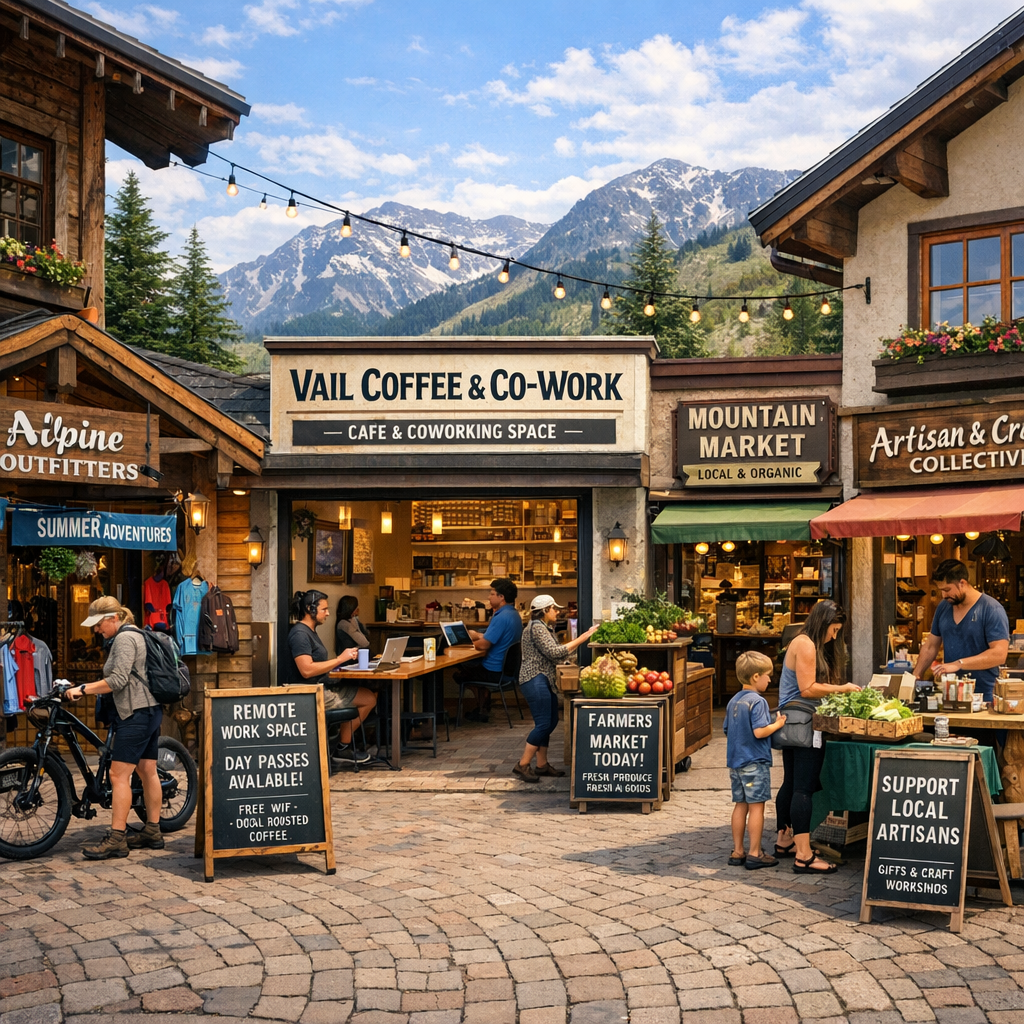
Vail’s local businesses are at the heart of our community’s vitality, contributing significantly to the economy and shaping the town’s unique character. However, recent economic shifts have presented challenges that require adaptability and resilience.
Impact of Tourism Fluctuations
Tourism is a cornerstone of Vail’s economy, with events like the Bravo! Vail Music Festival historically bringing substantial economic benefits. For instance, the 2025 festival generated over $41 million in direct economic impact, including $1.9 million in sales-tax revenue for Eagle County municipalities and $39.3 million directly benefiting local businesses. In the Town of Vail alone, the festival contributed $24.5 million, highlighting the significant role such events play in supporting local enterprises.
However, the 2025-2026 winter season posed challenges due to historically low snowfall, leading to a decline in tourism-related revenues. Sales-tax revenue fell more than 10% in February and March compared to the previous year, with hotel-related sales-tax collections dropping over 12%. This downturn prompted the Vail Town Council to amend its 2026 budget, revising projected income downward by $5.5 million to address the financial strain.
Workforce Challenges
Beyond tourism fluctuations, local businesses face ongoing workforce challenges. Hiring remains a daily struggle across the valley, affecting sectors such as hospitality, retail, healthcare, and construction. Factors contributing to these challenges include high living costs, housing shortages, and a lack of training resources. Addressing these issues is crucial for sustaining the local economy and ensuring businesses can meet demand.
Community Resilience and Adaptation
Despite these challenges, Vail’s business community continues to demonstrate resilience and adaptability. Initiatives like the Vail Valley Partnership’s advocacy efforts aim to support local enterprises by addressing policy uncertainties and promoting a business-friendly environment. Additionally, the town’s commitment to economic development, as outlined in its strategic plans, focuses on sustaining a vibrant, multi-seasonal economy that benefits both residents and visitors.
In conclusion, while Vail’s local businesses navigate economic shifts and workforce challenges, their adaptability and the community’s support remain vital. By fostering a collaborative environment and addressing key issues, Vail can continue to thrive as a premier destination and a vibrant place to live and work.