

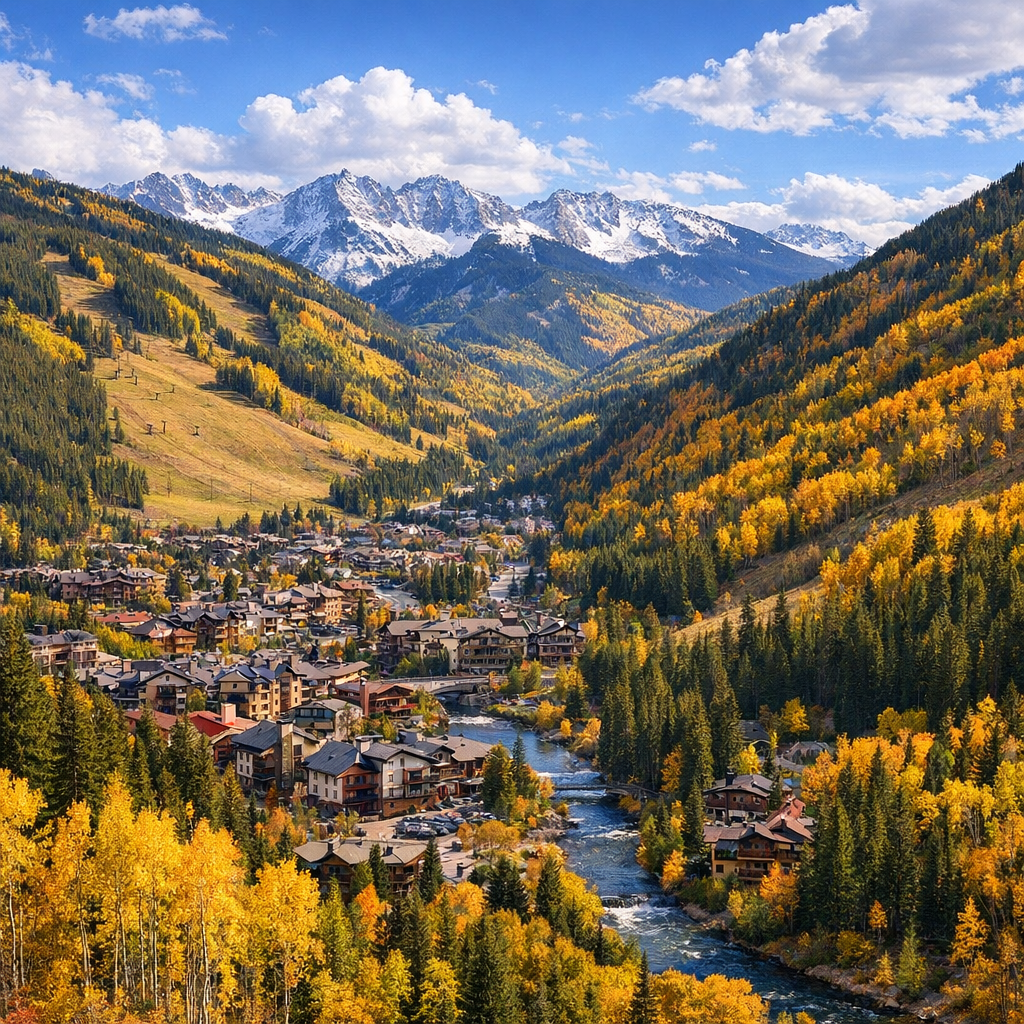
Vail, Colorado, nestled in the heart of the Rocky Mountains, offers a distinctive climate that influences both the lifestyle of its residents and the experiences of its visitors. Understanding these patterns can enhance appreciation for the region’s natural beauty and inform planning for various activities.
Seasonal Overview
Winter
Winter in Vail is characterized by cold temperatures and substantial snowfall, making it a haven for winter sports enthusiasts. Average low temperatures in January hover around 4.2°F (-15.4°C), with highs reaching approximately 31.0°F (-0.6°C). Snowfall is abundant, with the town receiving an average of 200 inches per season, ensuring excellent conditions for skiing and snowboarding.
Spring
As spring arrives, temperatures gradually rise, with average highs in April reaching 50.9°F (10.5°C) and lows around 22.8°F (-5.1°C). This transitional period sees a mix of lingering snow and budding flora, offering opportunities for both late-season skiing and early hiking.
Summer
Summers in Vail are mild and pleasant, with average highs in July peaking at 78.5°F (25.8°C) and lows around 43.0°F (6.1°C). The comfortable temperatures and extended daylight hours provide ideal conditions for outdoor activities such as hiking, mountain biking, and fishing.
Fall
Autumn brings cooler temperatures and vibrant foliage. September sees average highs of 68.7°F (20.4°C) and lows of 34.1°F (1.2°C). This season is perfect for enjoying scenic drives and hikes amidst the changing colors of the aspen trees.
Environmental Considerations
Vail’s unique climate and natural environment have inspired the community to adopt various sustainability initiatives. The town’s Environmental Sustainability Department focuses on areas such as energy efficiency, waste reduction, and ecosystem health. Programs like the ‘Love Vail’ campaign aim to preserve the region’s natural beauty and promote sustainable practices among residents and visitors.
Understanding Vail’s climate not only enhances the experience of those who live and visit here but also underscores the importance of ongoing environmental stewardship to maintain the area’s natural splendor for future generations.